Gym Literacy Part 2: Decoding Gym "Type" and Price Points
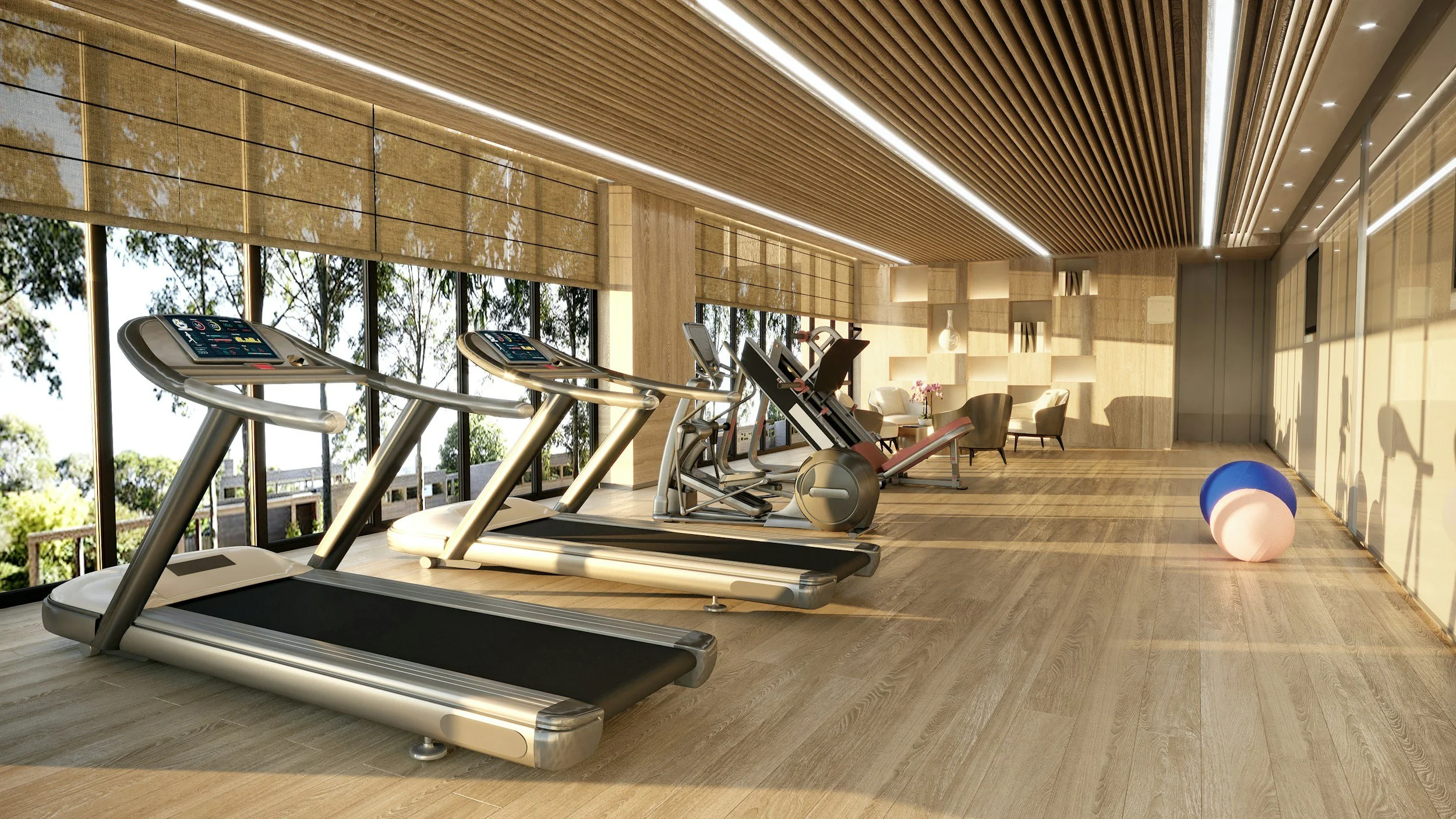
The Environment Audit: A high-end boutique setting offers specialized equipment and a controlled atmosphere for metabolic precision.
Choosing a gym based solely on the monthly price is like choosing a medication based on the color of the pill. To get a metabolic result, the environment must match your behavioral needs.
Here is the breakdown of the three main types of facilities you’ll find on Long Island.
1. The Commercial "Big Box" (The Generalist)
Examples: Planet Fitness, LA Fitness, Crunch, or Retro Fitness.
The Vibe: High volume, rows of cardio machines, and a "do-it-yourself" atmosphere.
Price Point: $15 – $55 per month. (Be mindful of the annual "maintenance" fees, usually around $59 billed in the spring).
The LifeFit Take: These are incredible for accessibility. If you are a "newbie" using the gym as a laboratory to test different machines, the low entry cost makes this a no-brainer.
The Trade-off: They can get extremely crowded during peak hours (more on how to hack that next week!), and the "personal training" offered is often hit-or-miss.
2. The Boutique Studio (The Specialist)
Examples: OrangeTheory, F45, or local Pilates and Yoga studios.
The Vibe: Community-focused, class-based, and usually high-intensity.
Price Point: $99 – $225+ per month. (Most unlimited "Premier" packages in Suffolk County now hover around $199).
The LifeFit Take: You are paying for accountability and community. If you struggle to motivate yourself to move, the social "nudge" of a boutique studio is a powerful tool.
The Trade-off: The programming is often "one-size-fits-all." If you have specific clinical or metabolic recovery needs, you must be careful not to over-train in these high-intensity environments.
3. Sport-Specific & Private Clubs (The Expert)
Examples: Powerlifting warehouses, MMA gyms, or private athletic performance centers.
The Vibe: Serious, focused, and often quieter. The equipment is high-end and specialized.
Price Point: $40 – $150 per month. (While specialized, these local gems often offer more competitive base rates than boutique franchises).
The LifeFit Take: These are the gold standard for skill building. If your protocol requires mastering the squat or deadlift, these environments offer the best coaching and equipment.
The Trade-off: They can feel "intimidating" to a beginner, though the communities are often the most supportive once you’re inside.
The LifeFit "Local Advantage"
You don’t have to guess which environment is right for you. Our consultants spend their time in the field across Suffolk County. We know which gyms in Lake Grove have the best recovery areas, which ones in Smithtown are quietest at noon, and which private studios in Sayville offer the most clinical-adjacent coaching.
We help you pinpoint exactly what you’re looking for—whether it’s a specific machine for joint-friendly cardio or a culture that respects your privacy—and we help you find it.
Next Week: Hacking the Clock
Now that you know where to go, we need to talk about when to go. In Part 3, we’ll show you the digital tools we use to avoid the "5 PM Rush" and ensure your gym time is low-stress and high-efficiency.
Ready to find your local "Laboratory"? Schedule a Consultation with a LifeFit Expert