The LifeFit Library
Master your movement and take the guesswork out of the gym. This library is your free, public resource for foundational gym literacy and metabolic health—built to help you step onto the floor with total confidence and zero hesitation
Unsure about a movement? Contact us and we’ll make sure you get it right.

More Than a Stroll: Why "Walking Yoga" is Your Best Vagus Nerve Hack for 2026
Lower your cortisol and fix your 'digital slump' without a gym. This guide breaks down the rhythmic breathing and peripheral awareness techniques of Walking Yoga to help you master your autonomic recovery and start your week strong
Muscle is Medicine: Reclaiming Your Strength and Vitality After 40
LifeFit Fitness Consultation Meal Prep Healthy protein and high fiber dinners and lunch in ronkonkoma and Suffolk county, NY
The LifeFit Guide to Finding Your Rhythm: Why We Started
The LifeFit Guide to Tech Neck: How to Reverse the "Digital Slump"
Our bodies are masters of adaptation. If you spend hours a day hunched over a laptop, your chest muscles (pectorals) become tight and short, while the muscles in your upper back become overstretched and weak.
This creates a "slump" that compresses your ribcage, making it harder to take deep, diaphragmatic breaths. Over time, this constant "fight-or-flight" posture keeps your nervous system on edge. Fixing tech neck isn't just about looking taller—it's about opening up your lungs and calming your brain
The UPF Reckoning: Is Hidden Inflammation Stalling Your Progress?
The LifeFit Guide to the Hip Hinge: One Pattern for a Stronger Back and a Better Build
Whether your goal is to develop stronger, more defined glutes or simply to bend down without that familiar lower-back “twinge,” the solution is often exactly the same: You must learn to hinge.
Recently, I had two very different conversations in the studio. One young client wanted a more defined backside. A few sessions later, an older client asked how she could protect her spine and stay active as she aged. Though their "whys" were worlds apart, my answer was identical.
Different goals. Same foundation. The hip hinge.
The LifeFit Guide to Sustainable Strength: Mastering Your Machine & Core Workouts
The LifeFit Guide to Sustainable Strength: Mastering Your Machine & Core Workouts
Are you feeling a bit overwhelmed by the rows of steel and cables at the gym? Many of our members tell us they want to build strength and protect their joints, but they aren't sure where to start—or how to ensure their form is supporting their long-term health rather than just "chasing a sweat."
At LifeFit, we believe that movement should be a lifelong ally. Today, we’re breaking down how to use foundational gym machines and core circuits to build a body that feels as good as it looks.
The LifeFit Guide to Ending Your Day on the Floor
We often think of fitness as something that requires high energy, heavy weights, and a boost of caffeine. But some of the most "productive" movement you can do happens when you’re winding down, perhaps with your favorite show playing in the background, and your only equipment is a simple foam roller.
If you’ve been feeling stiff, waking up with "mystery" aches, or finding it hard to transition from a high-stress workday to a restful night’s sleep, your solution might be waiting for you right on the living room floor.
The Pace of Peace: How Tai Chi Walking and Intervals Reclaimed My Life
Walking outdoors provides something a treadmill never can: sensory engagement. In psychology, we call this "soft fascination." Watching a deer cross the path or catching the scent of the first spring lavender lowers cortisol levels and restores our focus far more effectively than any indoor workout.
By integrating Tai Chi walking (meditative, rooted movement) and Japanese Interval walking (metabolic conditioning), you aren't just burning calories; you're retraining your nervous system to handle stress and finding your way back to yourself.
The LifeFit Guide to HRV: Using Wearables for True Balance
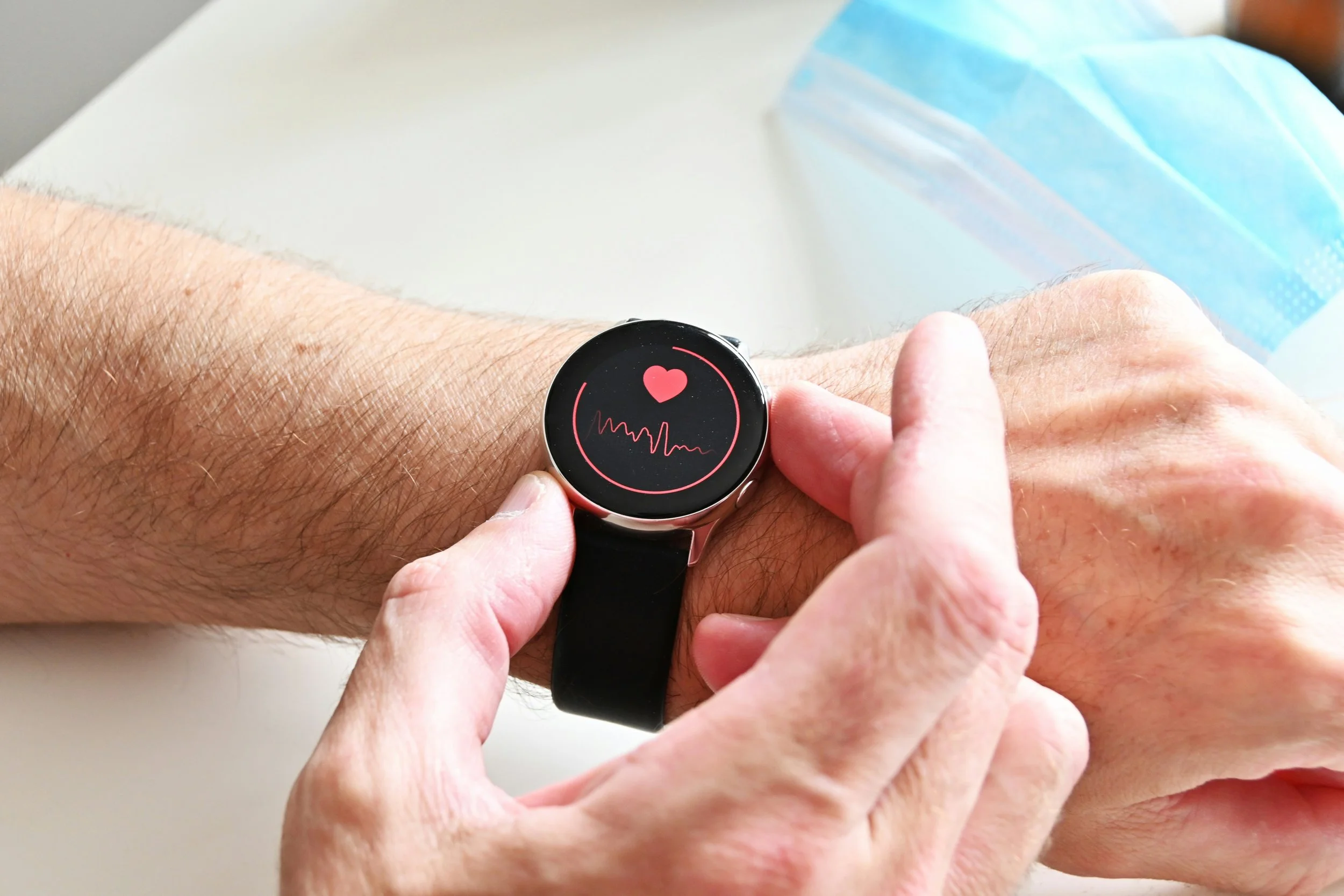
In the world of modern fitness, we are drowning in data. Your watch pings you about steps, your ring tracks your sleep, and your phone tracks your movement. But for many of us, this data leads to more stress than clarity. Have you ever woken up feeling ready to take on the world, only for an app to tell you that you’re "under-recovered"?
Technology shouldn't tell you how to feel; it should empower you to understand how your body actually works. Today, we’re looking at a key recovery metric: Heart Rate Variability (HRV), and how to use it to find your personal balance.

The Valentine’s Protocol: Autonomic Recovery and the Science of Connection
Move beyond the chocolate and flowers. Explore the clinical science of connection, oxytocin, and why autonomic recovery and winter skincare are the ultimate health protocols this February in Ronkonkoma

Muscle Over Mass: Why Building Strength is Your Best Health Investment
Muscle Over Mass: Why Building Strength is Your Best Health Investment
The Scale Doesn't Tell the Whole Story
We've been conditioned to chase a number on the scale, often at the expense of true health. At LifeFit Fitness Consultation, we challenge this narrative. Our "Clinical-Adjacent" approach emphasizes a fundamental truth: building and preserving muscle mass is a far more impactful investment in your long-term health than simply losing weight.
The Metabolic Engine You Can Build
The Human API: Why Your Wearable Needs a Clinical Interpreter
Stop guessing what your fitness tracker means. Learn how LifeFit Fitness acts as a "Human API" to turn your wearable data into a safe, clinical plan for better health.
Training Your Stress Response: Why "Emotional Fitness" is the New Cardio
The Compound Effect of 15 Minutes: Why Consistency Outperforms Intensity
Stretching is more than just flexibility—it’s about biomechanical integrity. Explore the clinical difference between passive and active mobility and how to use 'length' to bulletproof your joints

The Science of Length: When and How to Stretch for Peak Performance
Stretching is often the most misunderstood component of a fitness curriculum. Learn the difference between passive and active mobility, and how to use the 'Science of Length' to optimize mechanical integrity and recovery.

The GLP-1 "Muscle First" Mandate: Why 2026 is the Year of Metabolic Preservation
Weight loss is easy—muscle preservation is the real game. Are you paying a "Muscle Tax" on your GLP-1 journey? Learn how LifeFit’s 2026 "Muscle First" mandate protects your metabolic currency and prevents muscle wasting through safe, supervised strength training in Ronkonkoma. Don't just get smaller; get stronger.

The LifeFit "Insurance Policy" — The Ultimate 1-Day Efficiency Protocol
Complexity is the enemy of execution. Our 1-day efficiency protocol acts as your health insurance policy, ensuring your metabolic and mechanical baselines are protected, even during your busiest weeks.
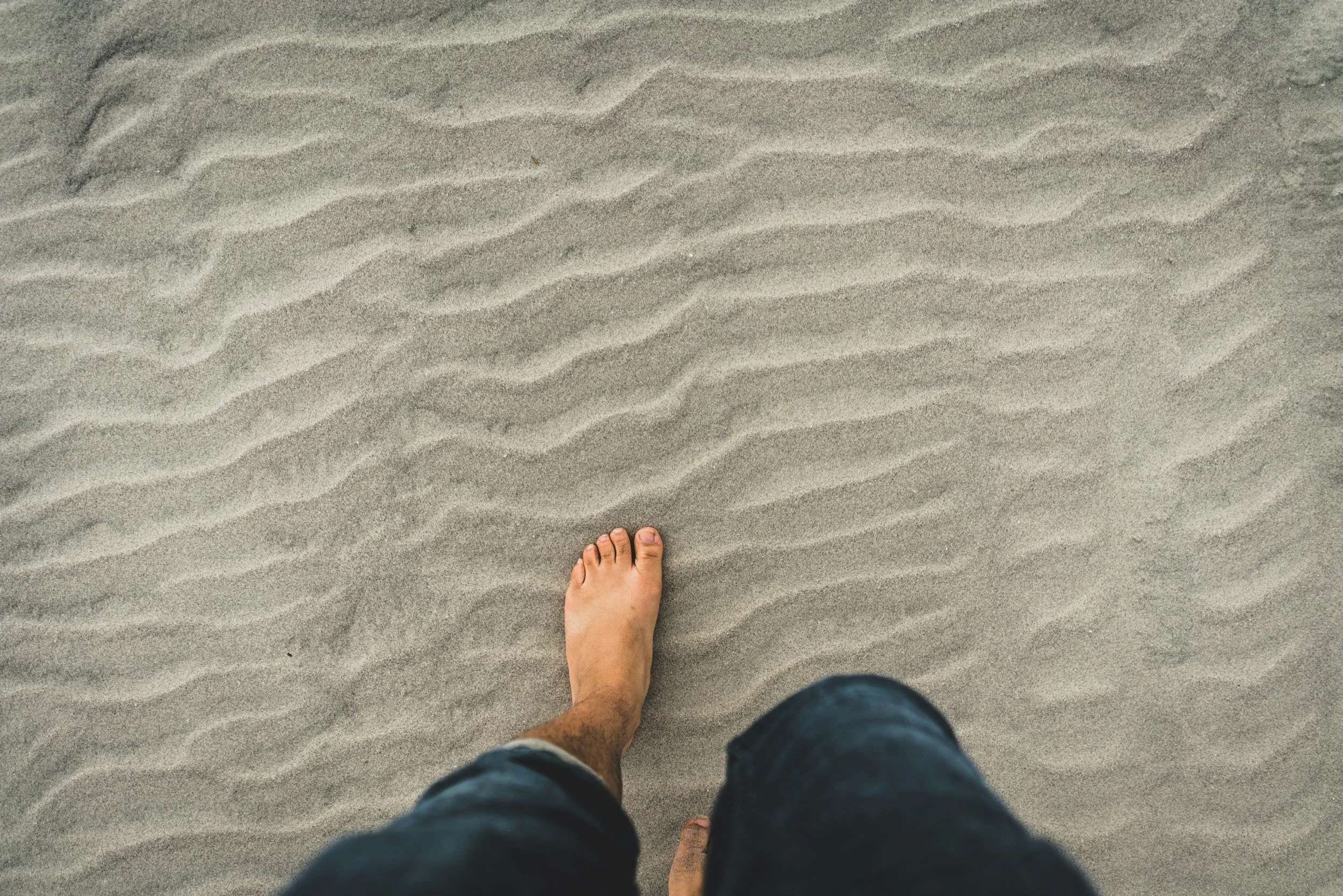
Beyond the Rush: Using Tai Chi and Interval Walking for Nervous System Recovery
More Than Just a Movement
Most people see "Tai Chi Walking" or "Intervals" as just another item on a fitness checklist. But for me, these aren't just protocols—they were the tools I used to save my life.
After my sister passed away, I was in a deep, dark hole of depression. The idea of a "workout" felt impossible. Japanese Interval Walking was the very first exercise I felt capable of attempting. It gave me a structure when my world had none. Later, when I first tried Tai Chi Walking, I’ll be honest: I felt completely silly. I couldn’t pace myself slowly enough; my mind was racing, and my body wanted to rush.
The "Field Work" Advantage: Why Your Health Goals Are Won (or Lost) at the Grocery Store

Nourish Strength

Emmett Marsh
Restore Balance
Eleanor Parks
Engineer Results
The Gym Literacy series is your essential field guide to the modern fitness landscape. From reframing the gym as your personal "metabolic laboratory" to decoding the different types of training spaces, we’re stripping away the confusion. Stop feeling like a visitor and start training with the fluency and confidence of a regular.