Beyond the Rush: Using Tai Chi and Interval Walking for Nervous System Recovery
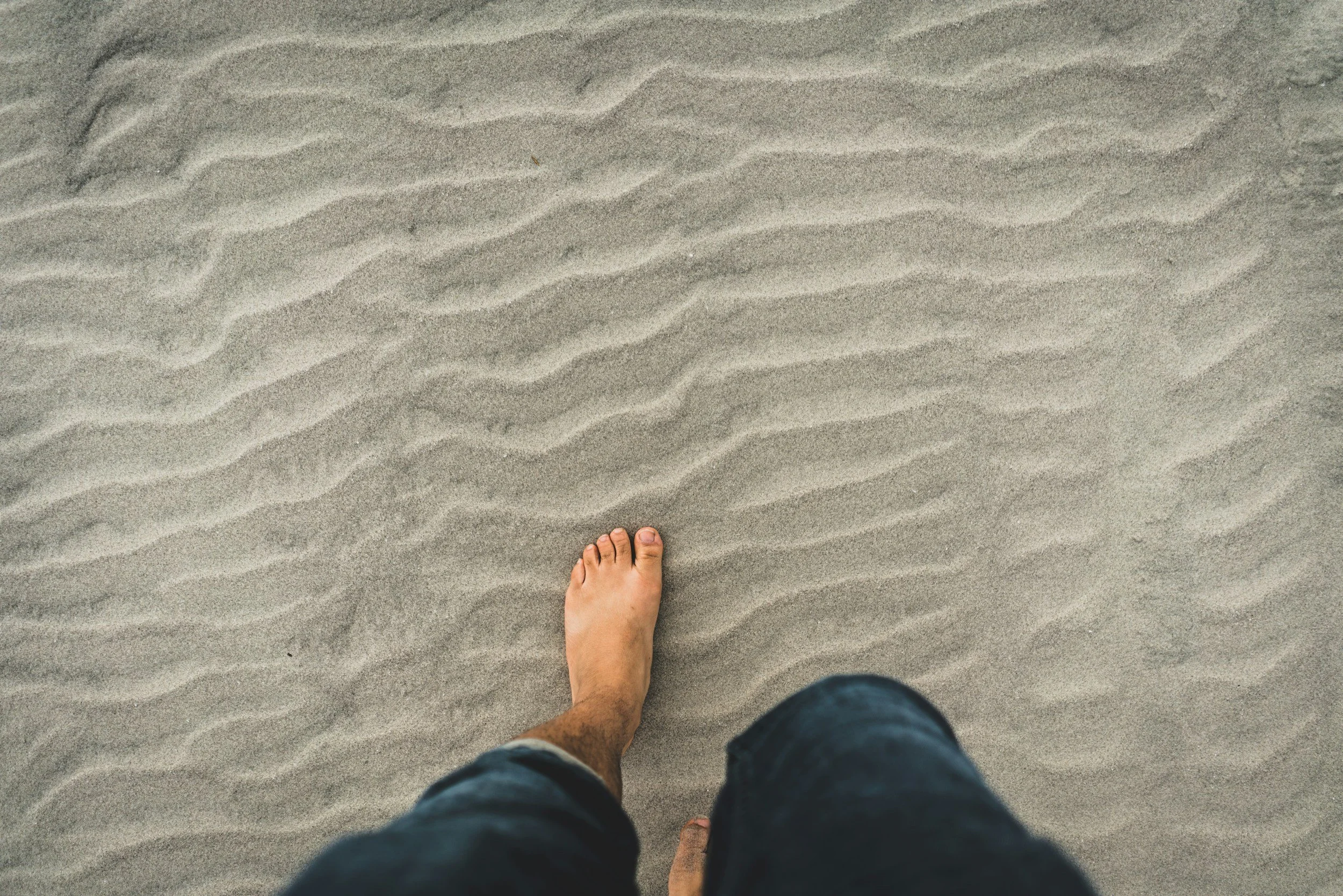
From the concrete of the Ronkonkoma platform to the sands of Lake Ronkonkoma—Tai Chi walking is about more than just movement; it’s about recalibrating your nervous system.
More Than Just a Movement
Most people see "Tai Chi Walking" or "Intervals" as just another item on a fitness checklist. But for me, these aren't just protocols—they were the tools I used to save my life.
After my younger sister passed away, I was in a deep, dark hole of depression. (It was skin cancer. Please, get screened.) The idea of a "workout" felt impossible. Japanese Interval Walking was the very first exercise I felt capable of attempting. It gave me a structure when my world had none. Later, when I first tried Tai Chi Walking, I’ll be honest: I felt completely silly. I couldn’t pace myself slowly enough; my mind was racing, and my body wanted to rush.
But through practice, that "silly" slow walk became my sanctuary. It taught me how to down-regulate my nervous system when the world felt like too much. Today, at LifeFit, I teach these same tools because I know they work—not just for your muscles, but for your soul.
1. The Morning Gear: Japanese Interval Walking
When you're at the Ronkonkoma LIRR station, the environment is high-stress. Japanese Interval Walking (developed by Dr. Hiroshi Nose) allows you to use that "rushed" energy productively.
The Method: Walk at your absolute maximum pace for 3 minutes, then drop to a very casual stroll for 3 minutes. Repeat for the length of the platform.
The Personal Win: On the days when I felt I had no strength, I told myself I only had to do one 3-minute "fast" block. Usually, that was enough to break the fog.
The Clinical Benefit: This "shocks" the system out of a sedentary state and stabilizes blood sugar before you begin your commute.
2. The Evening Gear: Tai Chi Walking
The walk from the train to your car in Sayville or Holbrook is the perfect time to transition from "Work Mode" to "Home Mode."
The Method: This is "Slow Motion" walking. Feel your heel, your mid-foot, then your toe. Transfer 100% of your weight before lifting the back foot.
The Personal Win: I used to struggle to stay slow. Now, I find it incredibly calming. It is the fastest way I know to tell my brain: “You are safe. The rush is over.”
The Clinical Benefit: This triggers Autonomic Recovery, lowering cortisol and preparing your body for a restful evening.
Movement as a Lifeline
Whether you are at the Ronkonkoma Hub or walking through your neighborhood in Smithtown, remember that movement is a laboratory for your own healing.
Want to learn these protocols in person? I’ve been where you are, and I know how hard that first step can be. Schedule a Field Work Session with me today. We’ll meet at your local station or park, and we’ll find your pace together—no matter how fast or slow it needs to be.