The Gym Literacy Series Part 1: Your Laboratory for Metabolic Change
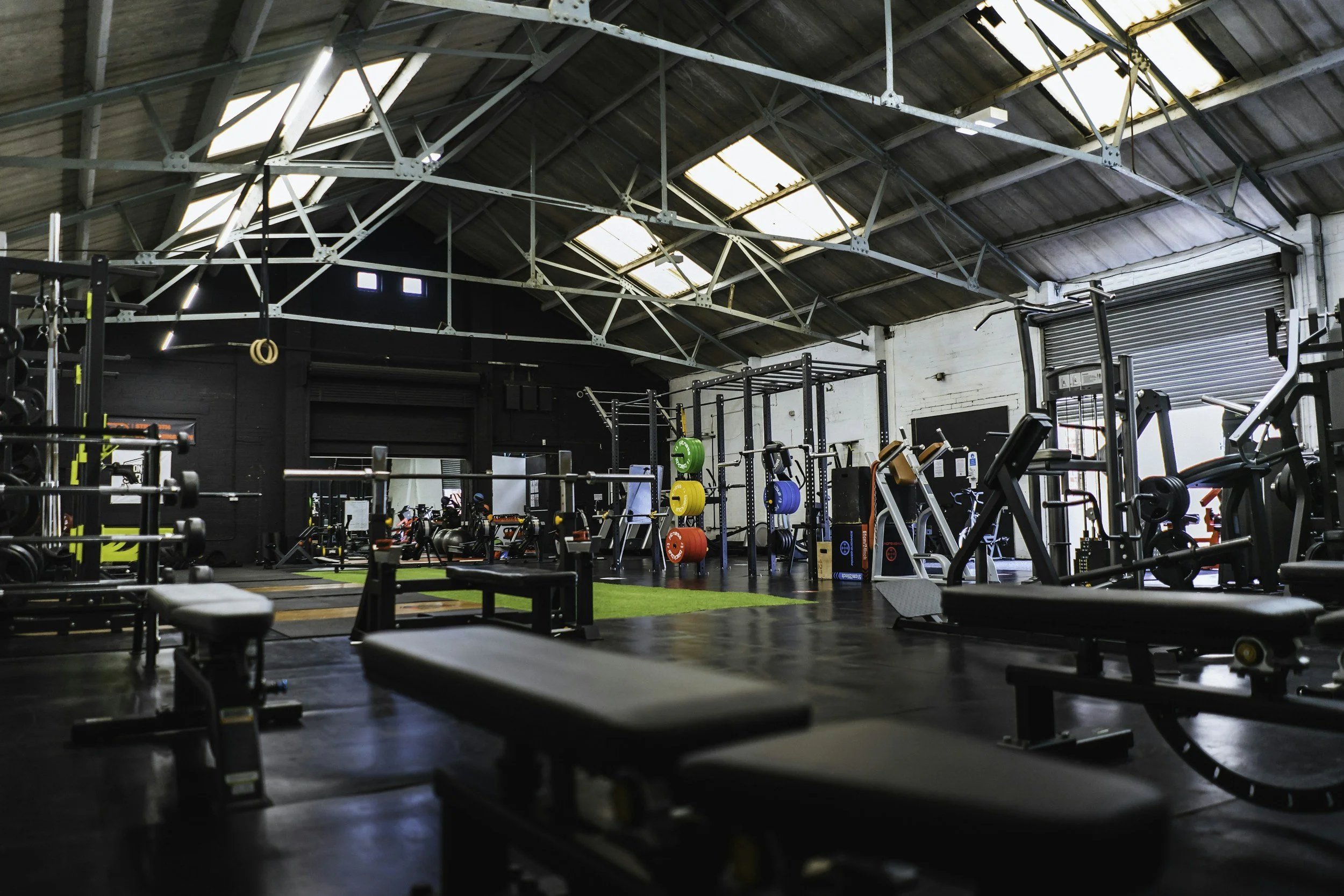
When we begin a metabolic recovery journey, the "where" is just as important as the "what." At LifeFit, we are big fans of home gyms—there is nothing more efficient than a kettlebell and a yoga mat in your living room. However, for many of our clients, the local gym is actually the highest-value/lowest-risk investment you can make when starting out.
Welcome to Part 1 of our Gym Literacy Series. Over the next few weeks, we are going to audit the gym environment so you can navigate it with total confidence.
The Gym as a "Testing Lab"
Think of a gym membership not as a commitment to a "workout," but as a subscription to a Laboratory. If you are a beginner, buying a full set of dumbbells, a squat rack, and a cable machine for your garage could cost thousands. At a gym, for a small monthly fee, you get access to $50,000+ worth of equipment. This allows you to:
Find Your "Feel Good" Movement: Maybe you hate treadmills but find that the rowing machine feels incredible for your joints.
Test the Waters: You can try different resistance profiles (cables vs. free weights vs. machines) to see what your body responds to best without any "buyer's remorse."
Scale with Your Progress: As you get stronger, the gym has the next weight ready for you. You won’t "outgrow" your equipment in three months.
For the Experienced: Breaking the Plateau
Even if you’ve been training for years, your local facility offers something home gyms rarely can: Novelty. Metabolic adaptation happens when the body gets too efficient at a specific movement. The gym allows you to "test new waters"—trying a piece of equipment you've walked past for years—to spark new neurological and muscular adaptations.
Why it Matters for Metabolic Health
Clinical-adjacent fitness isn't just about burning calories; it's about Precision Programming. Having access to a variety of tools means we can find the exact movement that stimulates your muscle tissue without overtaxing your nervous system or aggravating old injuries.
The gym provides the variety; LifeFit provides the protocol.
Next Week: Hacking the Clock
Now that we’ve made the case for the gym, how do you avoid the "5 PM Rush"? In Part 2, we’re showing you a "secret weapon" on your phone to audit gym busyness in real-time so you never have to wait for a squat rack again.
Ready to start your Environment Audit? Book a Consultation with the LifeFit Team
Gym Literacy Part 2: Decoding Gym "Type" and Price Points
Gym Literacy Part 3: Hacking the Clock & The Digital Tools for High-Efficiency Fitness
Part 4: The Red Flags—How to Spot a "Low-Utility" Gym
Gym Literacy Part 5: The Green Flags—Identifying Your Ideal Metabolic Laboratory
Other Blogs in the series: