Gym Literacy Part 3: Hacking the Clock & The Digital Tools for High-Efficiency Fitness
The 5 PM Problem
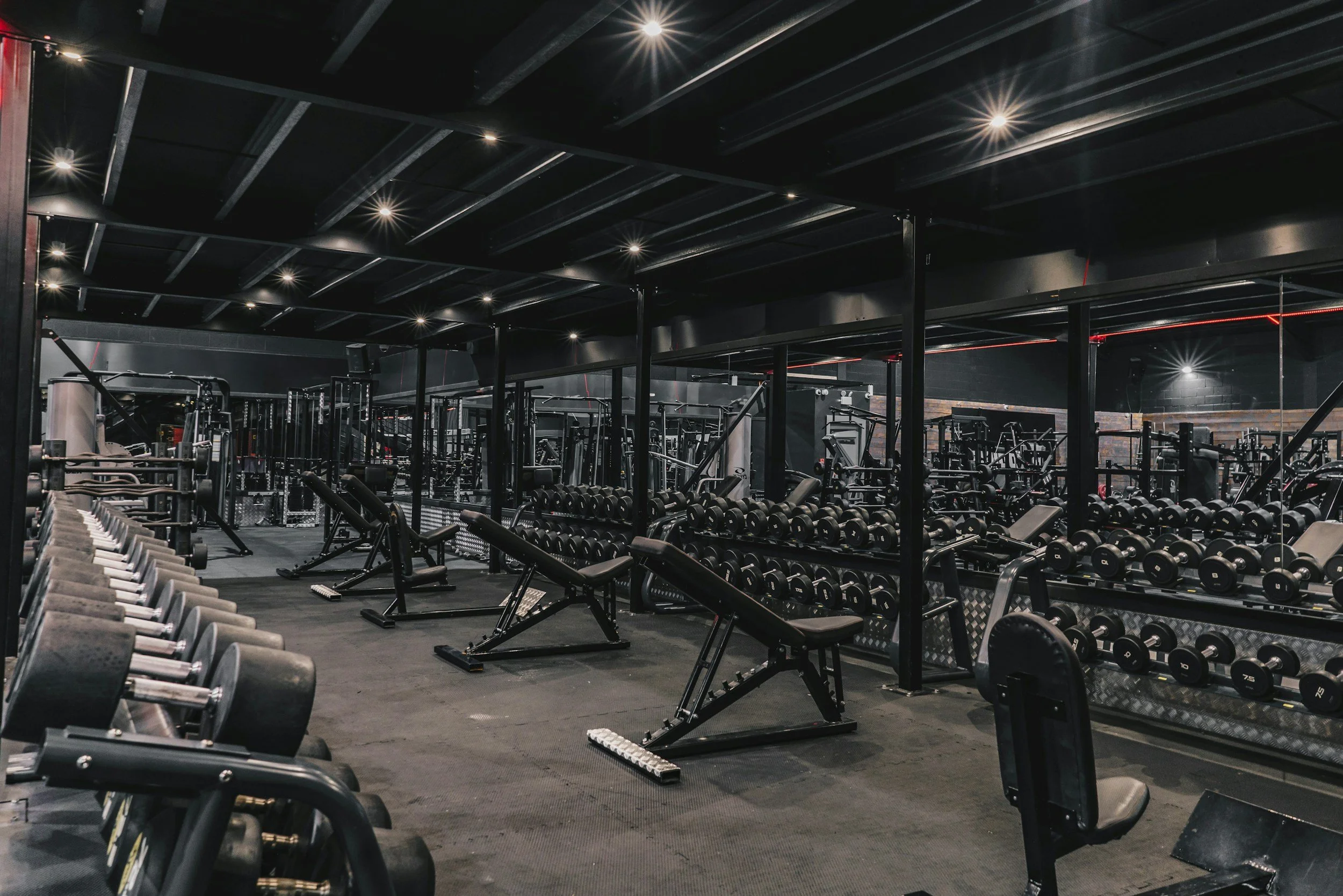
We’ve all been there: You walk into a gym in Smithtown or Sayville at 5:15 PM on a Monday, and every squat rack, cable machine, and treadmill is occupied. Your heart rate spikes—not from the exercise, but from the autonomic stress of navigating a crowd.
At LifeFit Fitness Consultation, we view the gym as a laboratory. For a laboratory to produce accurate results, the environment must be controlled. If you are constantly fighting for equipment, your cortisol rises, your rest periods become inconsistent, and your "Metabolic Literacy" suffers.
In this installment of our Gym Literacy series, we’re showing you the digital tools we use to avoid the rush and reclaim your time.
1. The "Live Density" Hack: Google Maps Popular Times
Most people use Google Maps for directions, but they miss the most powerful feature for fitness: The Popular Times Graph.
How to use it: Search for your specific gym on Google Maps. Scroll down to the "Popular Times" section.
The Pro Tip: Look for the Live pink/red bar. This tells you exactly how crowded the gym is right now compared to its usual average.
The LifeFit Strategy: If the "Live" bar is significantly higher than the blue average, that is your signal to pivot. Don't waste a high-cortisol hour in a crowd; use that time for a "Home Recovery Session" or a "Pantry Audit" instead.
2. The "Equipment-First" Pivot
Efficiency is about having a "Plan B." If you arrive and the "Big Box" gym is packed, don't wait in line. Use digital workout trackers like Hevy or Strong to quickly swap an exercise.
The Logic: If the barbell rack has a 20-minute wait, your app should have a pre-loaded "Dumbbell Alternative" or "Cable Alternative" ready to go. This keeps your momentum high and your heart rate in the intended zone.
3. The "Metabolic Window" of Suffolk County
Through our field work across Lake Grove, Ronkonkoma, and Holbrook, we’ve identified the "Sweet Spots" for local gym attendance:
The 1:00 PM Lull: Most professionals are at lunch. This is the "Golden Hour" for metabolic precision.
The Sunday 7:00 PM Reset: While everyone else is preparing for the work week, the gym is often a ghost town. This is the best time for "Skill Building" (learning new movements) without the pressure of a crowd.
Efficiency is a Clinical Choice
High-efficiency training isn't just about saving time; it's about protecting your nervous system. By using digital tools to "Hack the Clock," you ensure that your gym time remains a focused, clinical-adjacent experience rather than a high-stress chore.
What’s Next: The Red & Green Flags
Now that you know how to choose a gym type and how to time your visits, how do you know if a facility is actually good for your health?
In the next two parts of this series, we will provide you with the ultimate Evaluation Checklists:
Part 4: The Red Flags (What to avoid in a Suffolk County gym).
Part 5: The Green Flags (The signs of a high-utility metabolic laboratory).
Ready to optimize your environment? Schedule a Consultation with a LifeFit Expert today. We’ll help you audit your local gym, map out your ideal timing, and build a protocol that fits your life—not the other way around.