
While our main blog contains our general observations and clinical insights, this library is a specialized toolkit. These guides are designed to supplement our Nourish, Restore, and Sustain programs, providing the organized, step-by-step protocols necessary to turn information into lasting results
More Than a Stroll: Why "Walking Yoga" is the Vagus Nerve Hack of 2026
The GLP-1 "Muscle First" Mandate: Why 2026 is the Year of Metabolic Preservation
We have officially entered the second phase of the GLP-1 revolution. In 2024 and 2025, the conversation was all about the scale—how much weight could be lost, and how fast. But as we move through 2026, the medical community and the public have pivoted to a much more critical question: What exactly are you losing?
The "Field Work" Advantage: Why Your Health Goals Are Won (or Lost) at the Grocery Store
In 2026, the fitness industry has reached a point of diminishing returns. People are spending more money on memberships and wearable gadgets than ever before, yet systemic health markers—metabolic resilience, chronic inflammation, and autonomic stress—continue to struggle.
The reason? The "One-Hour Trap." Most people treat their health like a 60-minute appointment at a gym. They show up, "do the work," and then return to an environment that is biologically hostile to their goals. At LifeFit Fitness, we’ve shattered this model. We don't just wait for you at a facility; we meet you in the "Field."
What is "Field Work"?
The "Human API": Why Your Wearable Needs a Clinical Interpreter.
The Problem with "Self-Surveillance"
The 2026 ACSM Worldwide Fitness Trends confirmed that Wearable Technology remains the #1 global trend. However, the report also highlighted a growing phenomenon: Wellness Burnout. When you treat your body like an algorithm to be solved, you stop listening to your actual physiology. A wearable can tell you what happened (e.g., your resting heart rate stayed high overnight), but it cannot tell you why or what to do next. Was it the late-night meal? A lingering sub-clinical immune response? Or a nervous system that has forgotten how to find its "brakes"?
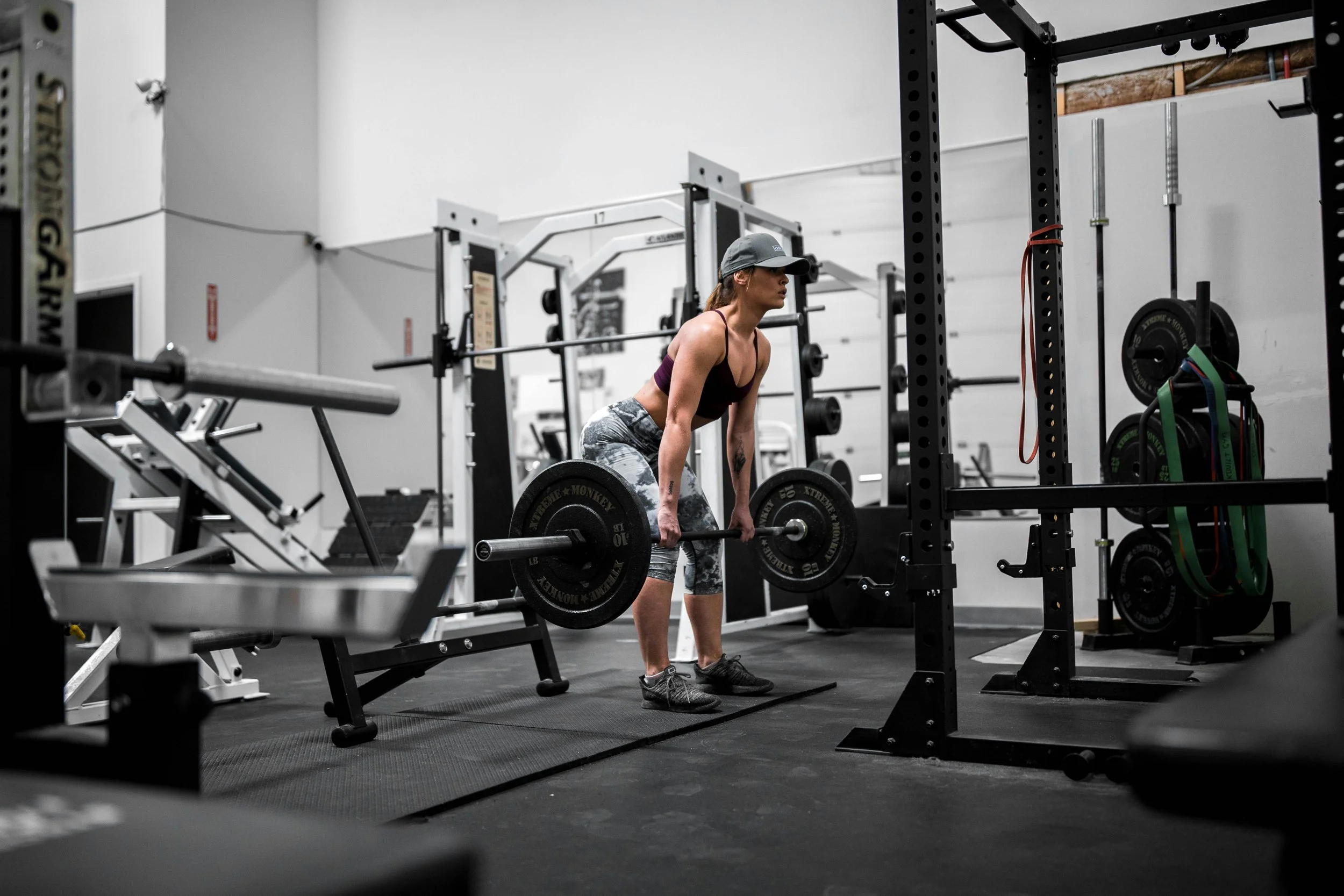
The LifeFit Guide to the 30-Minute Beginner Reset
Why 30 Minutes Is Your Secret Weapon
In the world of fitness, consistency is the currency of success. By focusing on 30-minute sessions, we prioritize quality over quantity. This timeframe allows you to stay mentally sharp, maintain proper form, and stimulate your metabolism without overtaxing your nervous system.
The "Why" is simple: We aren't just training for a better reflection in the mirror; we are training to make carrying groceries, playing with kids, and moving through the world feel effortless.
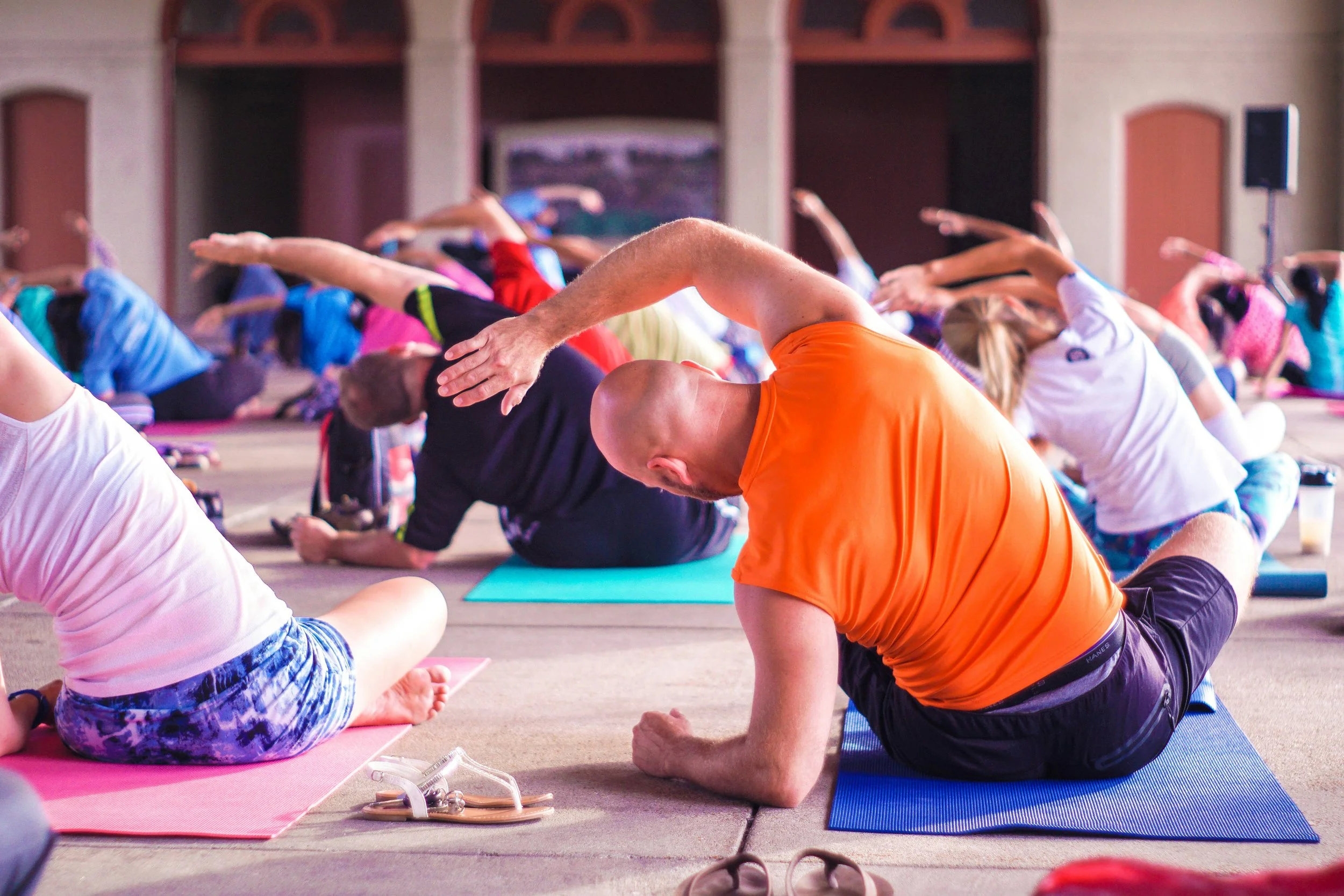
The LifeFit Guide to Gentle Stretching: Creating Space for Vitality
Do you wake up feeling like your joints need a little "greasing" before they’ll cooperate? Or perhaps by 3 PM, your shoulders are creeping up toward your ears after hours of focused work?
Stiffness isn’t just a side effect of getting older or working hard; it’s often your body’s way of asking for a little more space. We tend to hold our stress in our physical frames, and over time, that tightness can make even the simplest movements feel like a chore.
At LifeFit, we don’t believe in "pushing through the pain" or forcing your body into pretzels. We believe in intentional stretching—gentle, supportive movements that meet your body exactly where it is today to restore balance and ease.
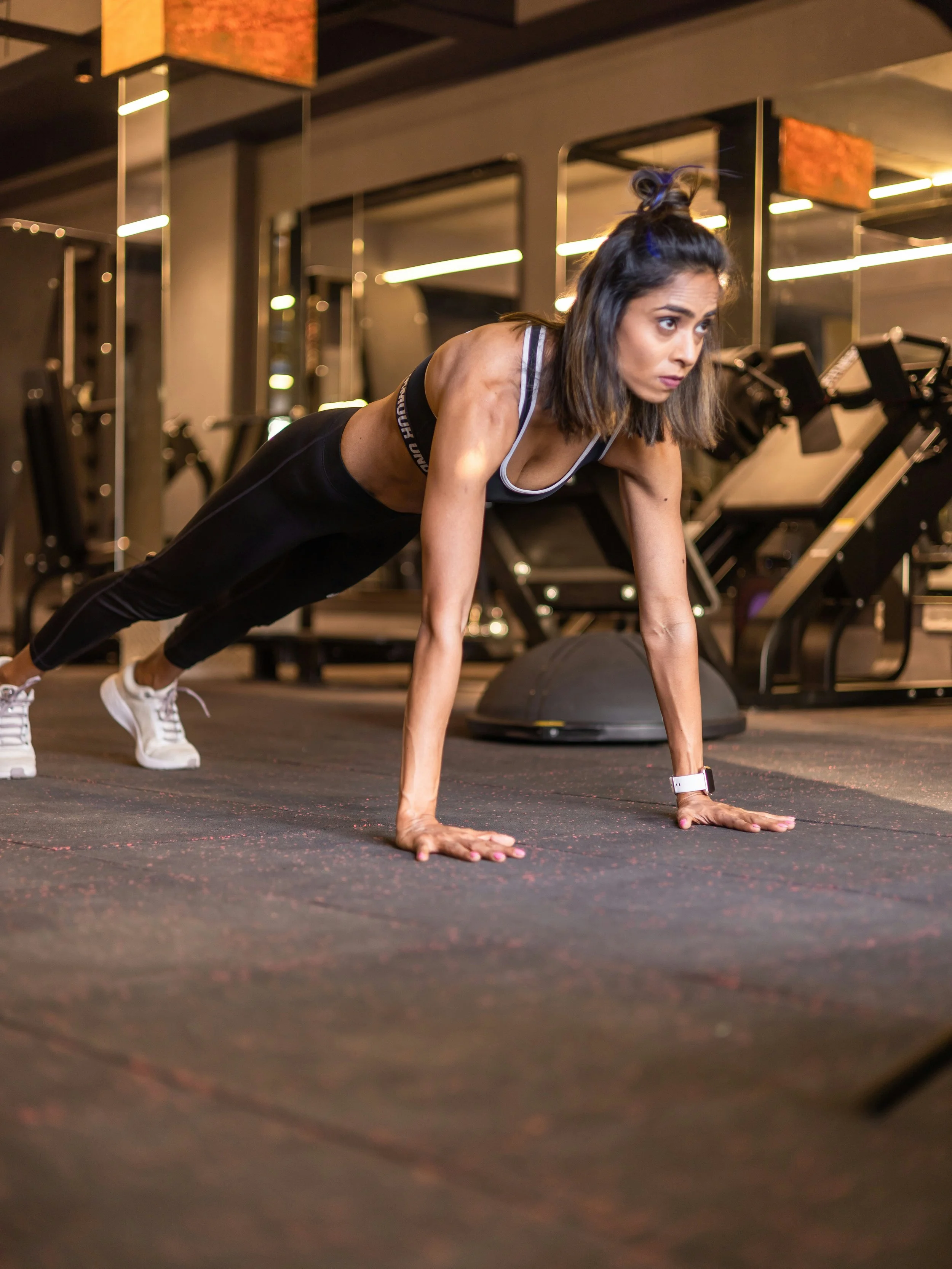
The LifeFit Guide to Mastering the Push: Strength for Stability and Resilience
Does your chest feel tight after a long day of leaning over a desk? Do you find yourself hesitating before pushing open a heavy door or reaching for something on a high shelf?
In our daily lives, "pushing" is everywhere—from getting ourselves out of bed in the morning to shoving a piece of furniture into place. While the "push" is a powerful movement, it is often misunderstood as just a way to build chest muscles.
At LifeFit, we see the push as a vital pattern for shoulder health and core stability. This guide is designed to help you master the push in a way that feels supportive, protects your joints, and builds the functional strength you need for an active life.
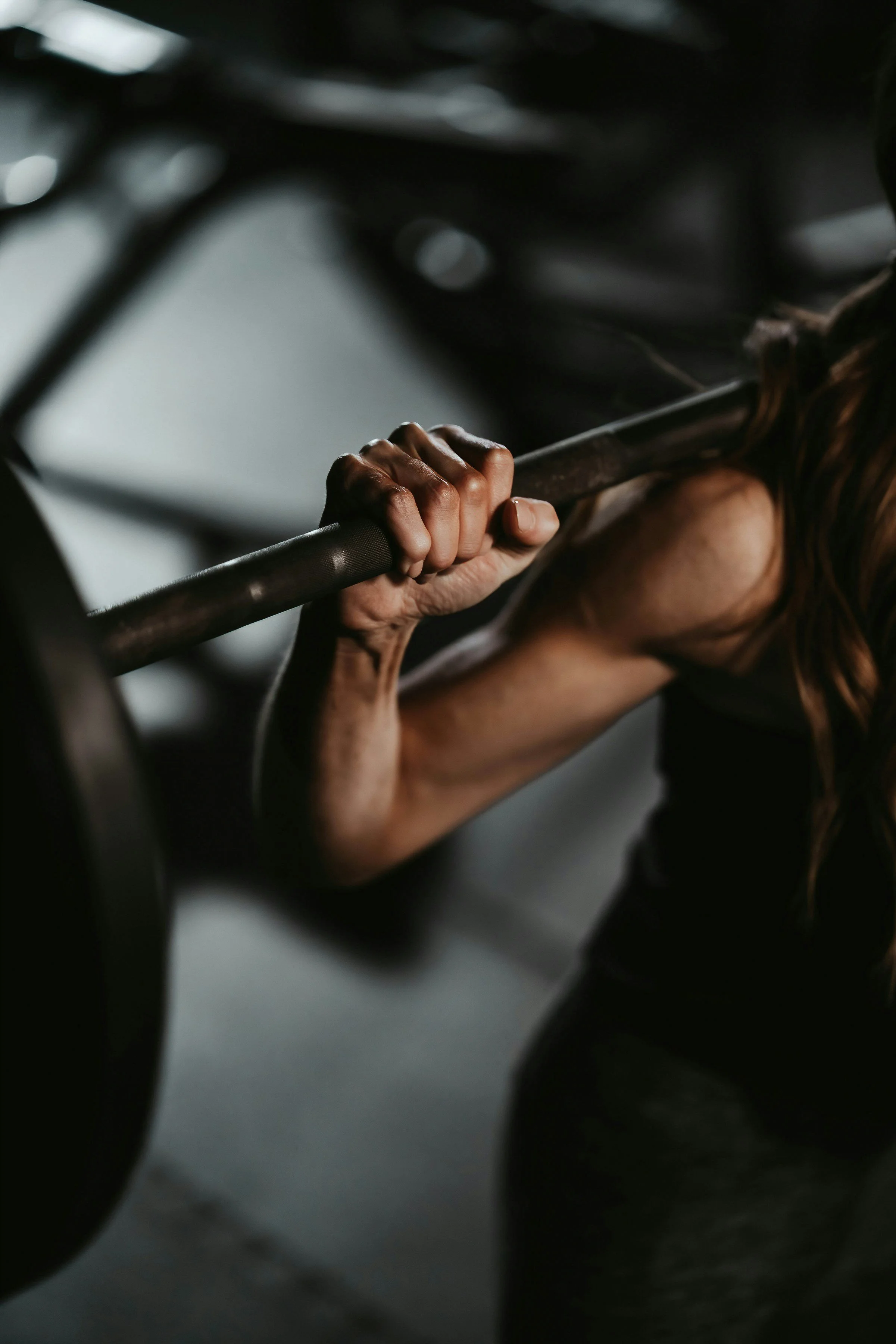
The LifeFit Guide to Mastering the Squat: Strength for the Simple Moments
Does the idea of "doing squats" conjure up images of heavy barbells and intense gym sessions? For many of our members, the squat isn't a gym feat—it’s the fundamental movement of independence.
Think about your day: getting out of your favorite armchair, lowering yourself to tie a shoe, or picking up a laundry basket. These are all squats. If these movements have started to feel "heavy" or stiff, it’s not a sign to stop doing them; it’s a sign to refine your approach.
At LifeFit, we view the squat as a tool for long-term vitality. This guide is designed to help you strip away the "gym-bro" pressure and find a variation that builds your strength safely, comfortably, and sustainably.
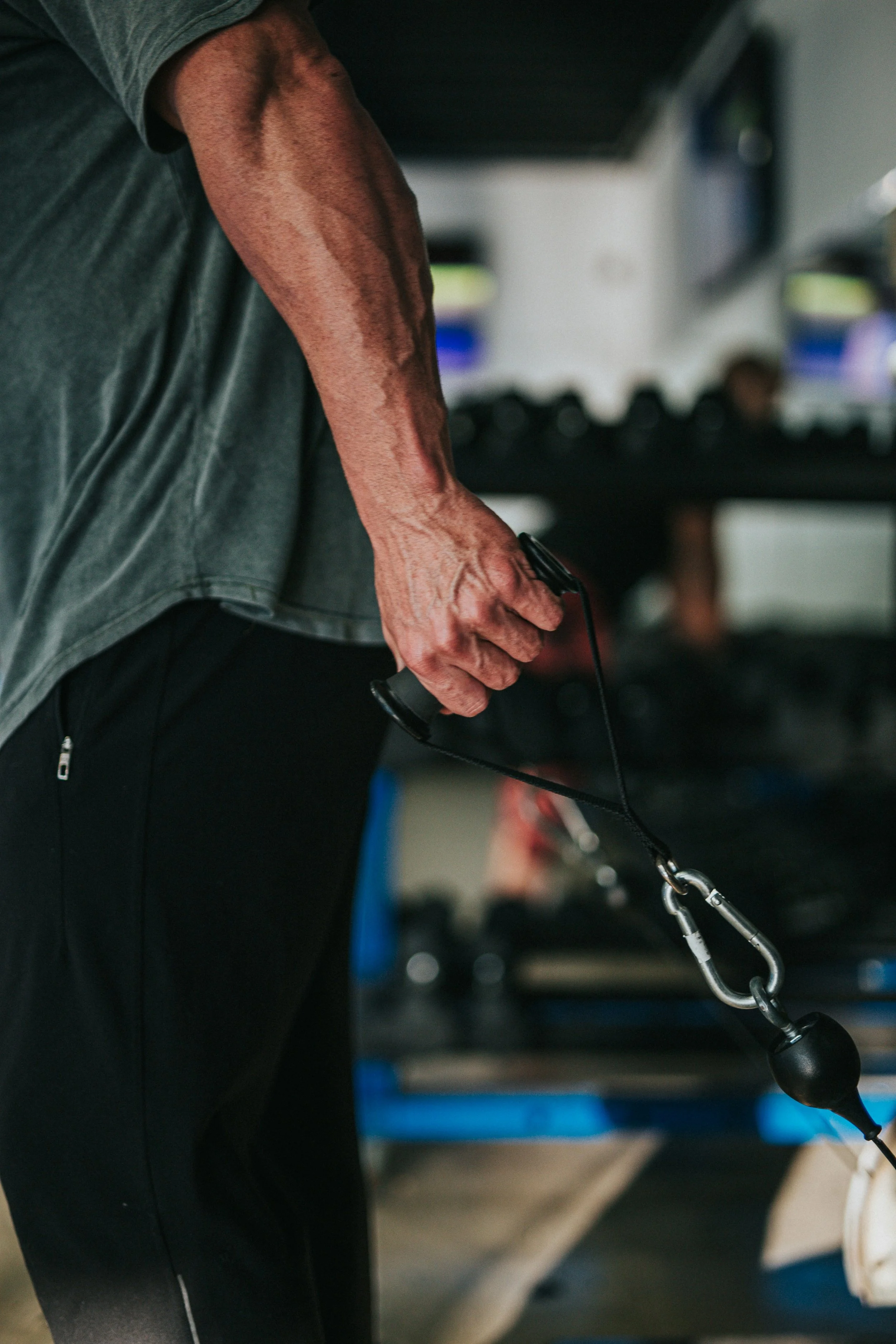
The LifeFit Guide to Mastering the Pull: Strength for Posture and Power
Does your upper back feel stiff after a long day at your desk? Or do you find yourself rounding your shoulders forward when you're tired?
In our modern world, we spend a lot of time "pushing"—typing on keyboards, driving, or reaching forward. This can lead to a "slumped" posture and tension in the neck and shoulders. The antidote is the pull movement.
At LifeFit, we see pulling exercises as the "great balancer." They aren't just about building biceps; they are about opening up your chest, strengthening the muscles that hold you tall, and making everyday tasks—like opening a heavy door or carrying a bag of soil—feel effortless.
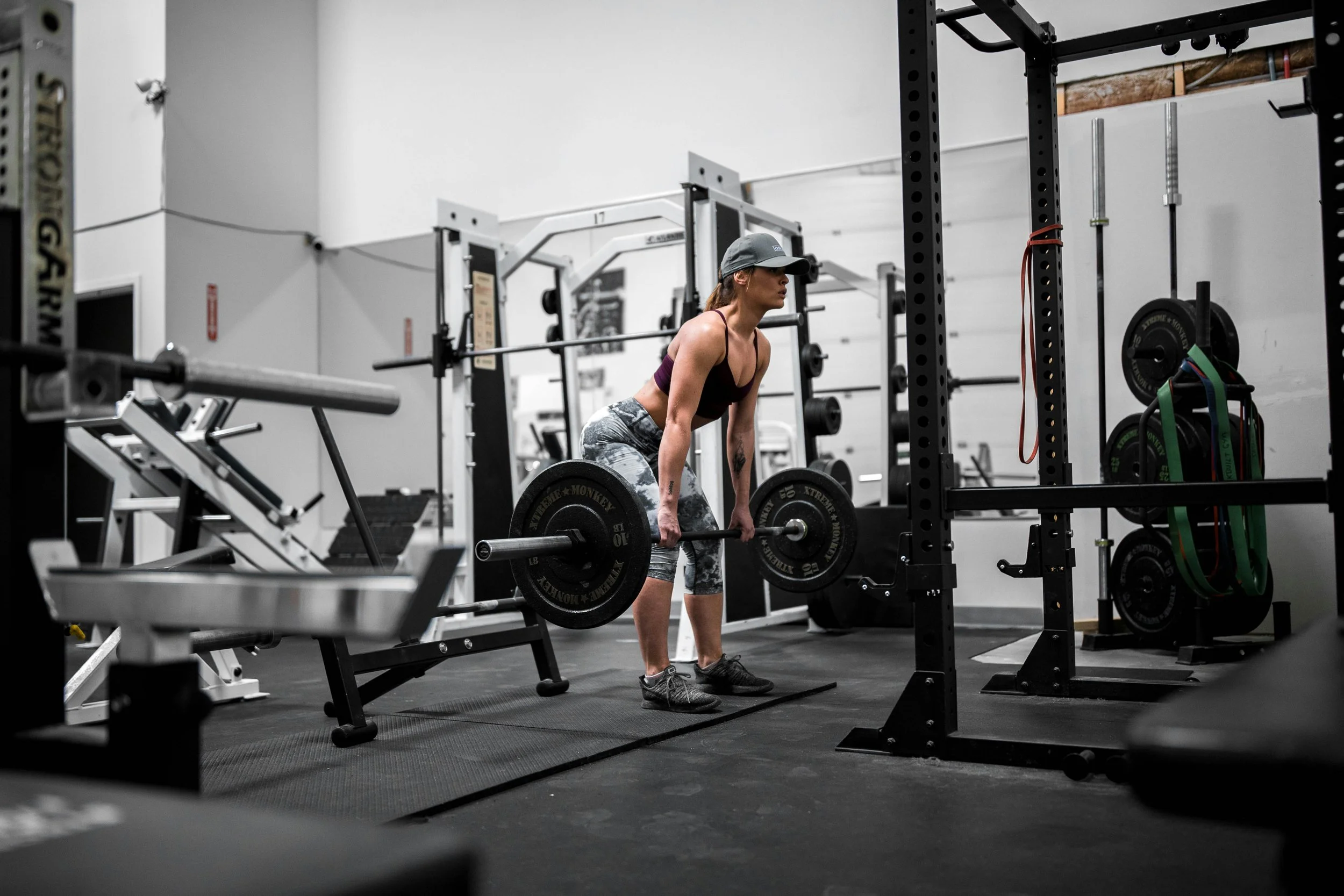
The LifeFit Guide to Mastering the Hip Hinge: Your Foundation for Lifelong Vitality
Are you tired of feeling a sharp twinge in your lower back every time you bend over to pick up a grocery bag or reach for a dropped set of keys?
For many of us, "bending over" has become a source of anxiety rather than a natural movement. We’ve been conditioned to round our spines, putting unnecessary pressure on our discs and neglecting the most powerful muscles in our bodies: the glutes and hamstrings.
At LifeFit, we believe that movement should feel like a support system, not a chore. Today, we’re breaking down the hip hinge—the single most important movement pattern for protecting your back, improving your posture, and unlocking sustainable strength.
The "Why": Understanding the Power of the Hinge
The hip hinge isn’t just an "exercise"; it’s a fundamental human movement. It is the art of folding at the hips while maintaining a neutral, straight spine.
When you master the hinge, you shift the mechanical load of gravity and weight away from your fragile lower back and onto your "posterior chain"—the glutes and hamstrings. These muscles are designed to handle heavy lifting and provide stability. By learning to hinge, you aren't just getting "fit"; you are bulletproofing your body against the wear and tear of daily life.
Redefine Success
It All Begins Here